

Safe Tree Removal Keeps Homes, Fences, and Utilities Out of Harm’s Way
A tree cutting service protects nearby structures by controlling how and where trees and limbs fall. Careful planning, proper tools, and trained crews help prevent damage to homes, garages, fences, roofs, and power lines. Instead of letting a tree fall in one large piece, sections are cut and lowered in a safe, controlled way. This reduces risk and keeps your property protected.
What You Need Before Starting
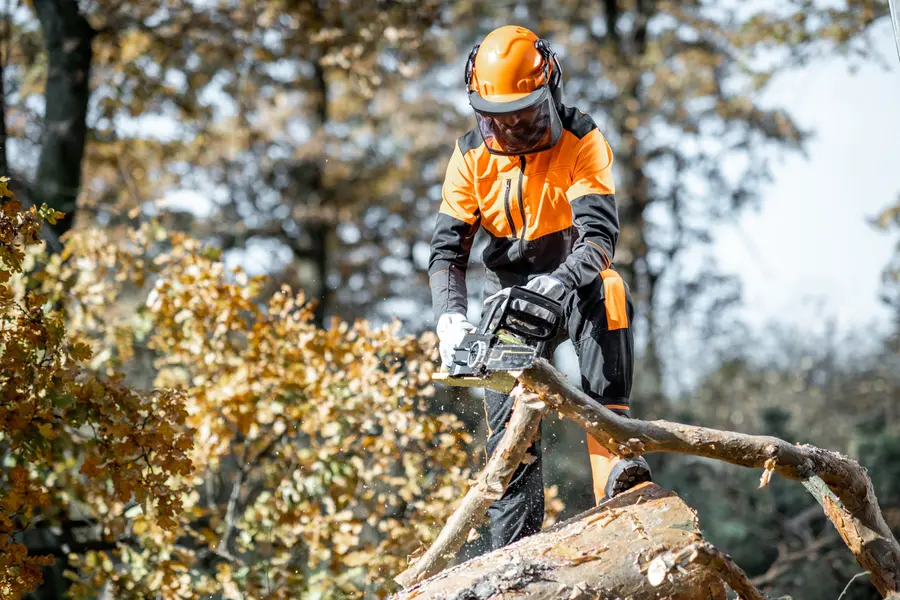
Before any cutting begins, there are a few key steps. A professional crew looks at the tree’s size, lean, and health. They check wind direction and nearby structures. They also look for power lines and underground utilities.
The right equipment is also needed. This may include ropes, harnesses, chainsaws, rigging gear, helmets, and sometimes cranes. Safety gear protects workers. Rigging systems control falling limbs.
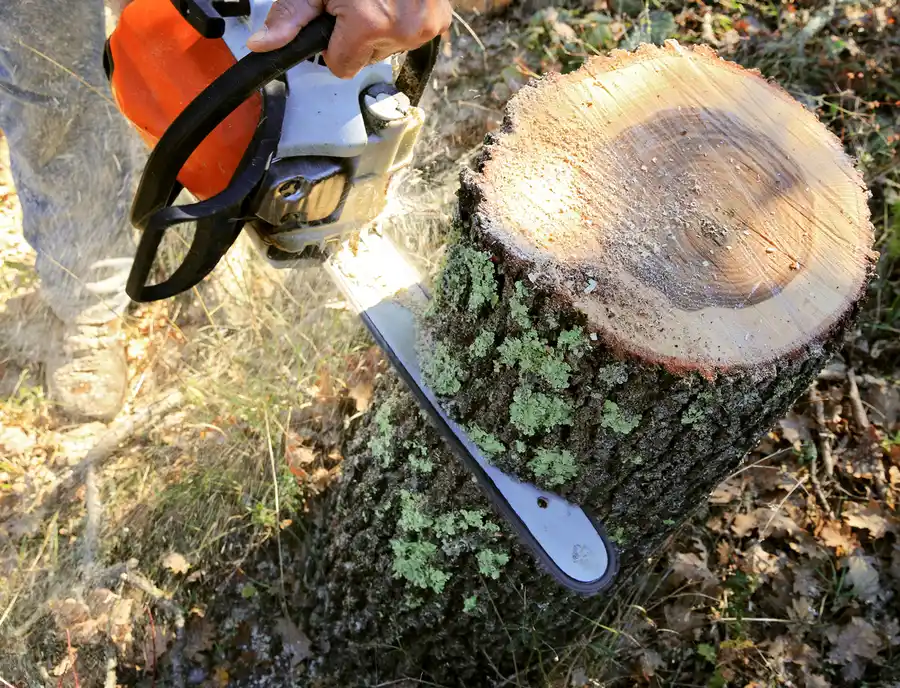
If the job involves tree trimming and removal, both services must work together. Trimming removes risky limbs first. Then the main trunk can be cut safely.
Step-by-Step Process That Protects Structures
A tree cutting service follows a clear plan to avoid property damage. Here is how the process often works:
- Inspect the tree and surrounding area.
- Clear the ground space below.
- Remove small outer branches first.
- Use ropes to lower larger limbs slowly.
- Cut the trunk in sections from top to bottom.
- Guide each piece away from structures.
- Remove debris and inspect the area once finished.
This step-by-step approach keeps weight balanced and prevents sudden shifts. Lowering limbs with ropes instead of dropping them protects roofs, sheds, and landscaping.
Common Mistakes to Avoid
Property damage often happens when people rush or lack proper training. One common mistake is cutting large sections all at once. Heavy limbs can swing or bounce when they hit the ground. That swing can break windows or crush fences.
Another mistake is ignoring tree lean. A tree that tilts toward a house needs a special cutting angle. Cutting it wrong can send it straight into the structure.
Using dull tools is also risky. Dull chainsaws can bind in the wood. This causes jerking movements and loss of control.
- Never cut without checking wind speed.
- Do not stand under the cut area.
- Avoid working near live power lines.
These errors may seem small, but they can lead to major repairs.
When to Call a Professional
Small shrubs may be simple to trim. Large trees near buildings are different. If a tree is taller than your home, close to power lines, or leaning toward a structure, it is safer to hire a tree cutting service.
Storm-damaged trees also need expert care. Cracked trunks and hanging limbs are unstable. They can fall without warning. A trained crew knows how to secure and remove damaged wood without causing more harm.
If special permits are required in your area, a professional can help with that as well.
Final Recommendation
Protecting your home starts with smart planning and safe cutting practices. A trusted tree cutting service uses careful steps, proper equipment, and trained crews to shield nearby structures from damage. In Laurel, MD, trees grow fast and storms can add stress to weak limbs. At New Creation Tree Service, we use controlled cutting methods to protect roofs, fences, and utility lines. Call us at (240) 202-4100 to schedule a safe evaluation and let our team help keep your property secure.