

How Regular Pruning Keeps Your Home and Yard Safer During Severe Weather
Tree trimming to prevent storm related damage means cutting and thinning branches before heavy wind, rain, or snow hits. When trees are pruned the right way, they are lighter, better balanced, and less likely to break apart. This simple upkeep step can lower the risk of fallen limbs, roof damage, and blocked driveways during a storm.
Why prevention matters
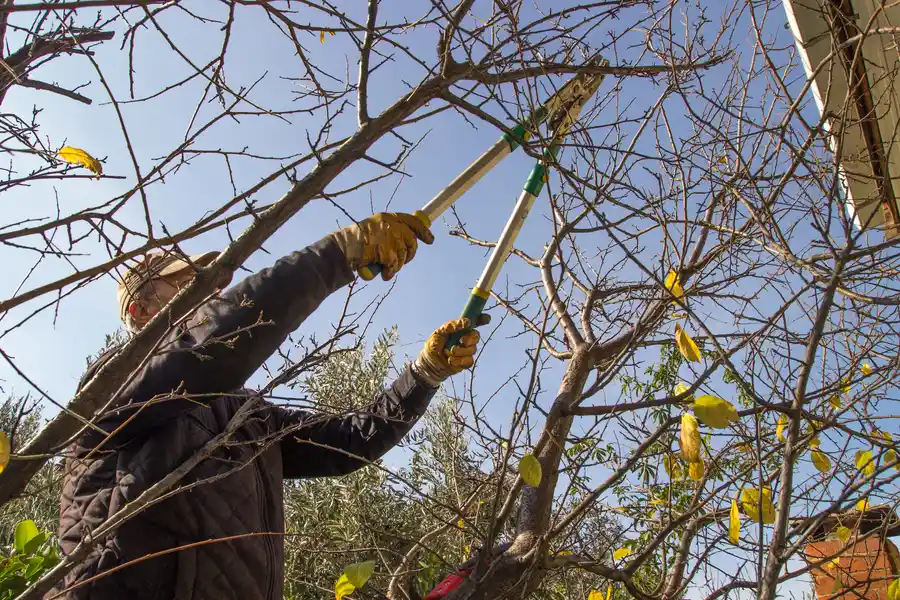
Strong storms can turn small tree issues into major problems fast. A weak branch might seem harmless on a calm day. During high winds, that same branch can snap and crash onto a car or power line. Overgrown limbs can also rub against your roof or siding and cause damage.
Regular tree trimming reduces extra weight and removes weak spots. It helps the tree move with the wind instead of fighting it. A well-shaped tree is more stable and less likely to split down the middle.
Early warning signs to watch for
You do not have to be an arborist to spot trouble. Many storm risks are easy to see if you look closely at your yard.
- Dead or hanging branches in the canopy
- Cracks where large limbs join the trunk
- Branches touching your roof or gutters
- Trees leaning more than before
- Thick, tangled growth that blocks light and air
If you notice any of these signs, tree trimming may help reduce the risk before the next storm rolls in.
Seasonal maintenance checklist
Storm prep works best when done on a routine schedule. Different seasons call for different tasks.
- Late winter or early spring: Remove dead wood and shape the tree before new growth starts.
- Late spring: Thin crowded branches to improve airflow through the canopy.
- Summer: Check for fast-growing limbs stretching toward your home.
- Fall: Clear weak or damaged branches before storm season peaks.
Spacing out tree trimming during the year helps keep trees healthy and strong. It also prevents the need for heavy cutting all at once.
Best practices for long-term results
Good pruning is not just about cutting random branches. It requires care and planning. Always remove branches back to a strong joint or the trunk. Avoid leaving long stubs, which can rot and attract pests.
Keep the tree’s natural shape. Cutting too much from one side can make it unbalanced. Thinning the crown allows wind to pass through instead of pushing against a solid wall of leaves.
It is also smart to focus on structural strength when trees are young. Early tree trimming guides growth and lowers future storm risk. Mature trees benefit from lighter, targeted cuts that reduce strain on heavy limbs.
What not to do
Some trimming methods can cause more harm than good. Topping a tree, which means cutting large branches back to bare stubs, weakens the tree and leads to fast, weak regrowth. Those new shoots often break easily in storms.
Avoid removing more than 25 percent of a tree’s canopy at one time. Too much cutting stresses the tree and can lead to decay. Using dull tools can also tear bark, creating open wounds.
Finally, never try to cut large branches near power lines yourself. That type of work requires special training and equipment.
When to schedule professional help
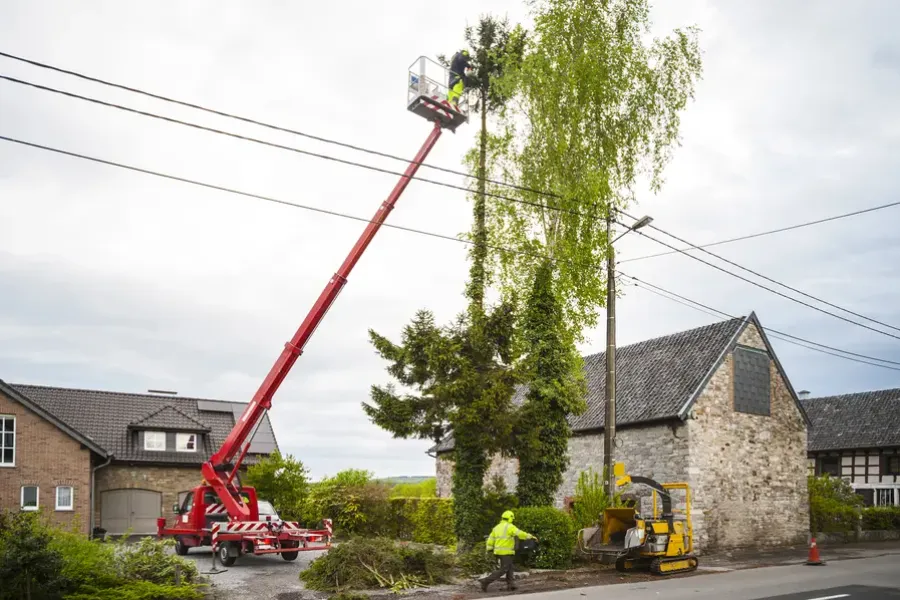
Small branches may be safe to trim on your own. Larger limbs high off the ground are another story. If a tree is close to your home, garage, or utility lines, it is best to call trained crews.
A professional team can inspect the tree’s structure and spot hidden risks. They can also recommend whether cabling, bracing, or selective removal is the safest option. Regular service visits make it easier to stay ahead of storm damage instead of reacting after something falls.
Protect your property before the next storm
If you live in Laurel, MD, strong storms can arrive with little warning. At New Creation Tree Service, we help homeowners reduce risk through careful tree trimming and routine inspections. We focus on removing sick limbs and shaping trees so they stand stronger in wind and heavy rain. Call us at (240) 202-4100 to schedule a visit and let us help protect your yard before the next storm hits.