

Why Waiting to Remove a Damaged or Dead Tree Can Put People and Property at Risk
Understanding the safety risks of delaying tree removal starts with one simple fact: unstable trees can fall without warning. When a tree is dead, diseased, or badly damaged, it becomes weaker over time. The longer you wait, the higher the chance of falling limbs, trunk failure, or root collapse. This can lead to injuries, roof damage, broken vehicles, and even power line hazards.
Quick Diagnosis: When a Tree Becomes a Hazard
Not every tree needs to come down right away. But some clear signs show when a tree has become dangerous. If you notice major cracks in the trunk, large dead branches, or the tree leaning more than before, you may have a safety issue. Storm damage can also create hidden weakness that gets worse with time.
Tree problems rarely fix themselves. Small issues often grow into larger structural failures. That is where tree removal becomes a safety step, not just a cosmetic choice.
Common Warning Signs Homeowners Ignore
Many property owners delay tree removal because the tree still looks “mostly fine.” The leaves may still grow. Parts of the trunk may appear solid. But danger often shows up in subtle ways first.
- Large dead limbs hanging over a roof or driveway
- Mushrooms or fungus growing near the base
- Deep splits in the trunk
- Hollow or soft wood
- Exposed roots or soil lifting on one side
- Branches falling during light wind
These signs can point to decay inside the tree. Once internal rot spreads, the tree loses strength fast. A strong wind or heavy rain can then cause sudden failure.
What Causes Trees to Become Unstable Over Time
Several factors can weaken a tree. Age is one. As trees mature, they may develop internal decay. Disease is another. Insects and fungal growth slowly break down wood fibers.
Storm damage also plays a role. A tree hit by lightning or high winds may stay standing for months. But internal cracks weaken its structure. Over time, gravity does the rest.
Poor soil conditions can contribute as well. When roots sit in compacted or waterlogged soil, they lose grip. This makes the whole tree more likely to tip.
Delaying tree removal gives these problems time to grow worse. What could have been handled safely early on may become more complex later.
What to Check First Before Making a Decision
If you are unsure about a tree, start with a close ground-level inspection. Stay at a safe distance and look for:
- New leaning or shifting
- Deep cracks that were not there before
- Bark peeling away in large strips
- Sawdust-like material near the base
- Dead branches in the upper canopy
Do not climb the tree or try to remove large limbs yourself. Visual checks from the ground are safest. If multiple warning signs show up, it is wise to move quickly.
Safe Fixes Versus Pro-Level Solutions
Some tree issues have simple fixes. Light pruning can remove small dead branches. Cables or bracing may help support a split trunk in certain cases. But these options only work when the tree is still structurally sound.
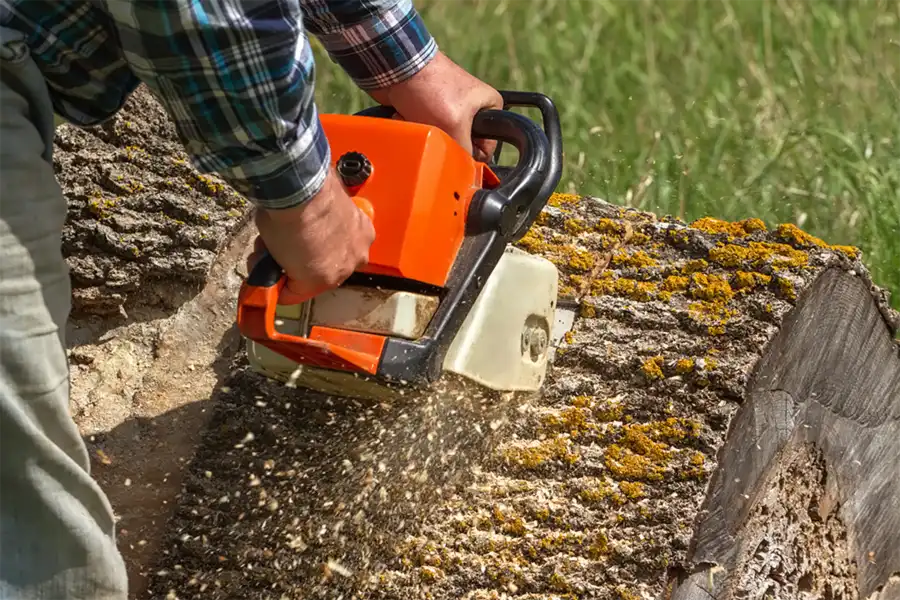
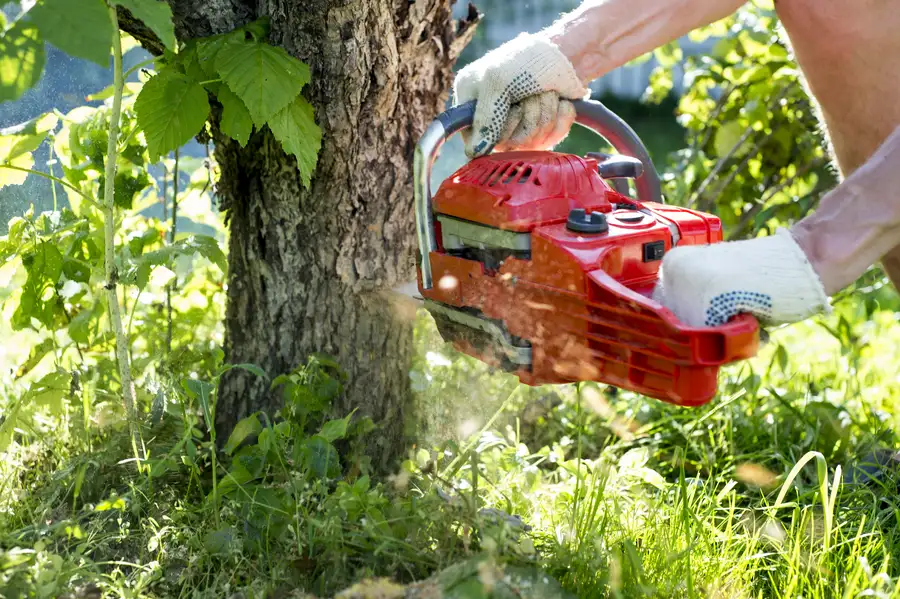
When large sections are decayed or the root system is compromised, tree removal is often the safer choice. Removing a hazard tree involves controlled cutting, safety gear, and knowledge of fall patterns. Near homes, fences, or power lines, the process becomes more technical.
Trying to take down a damaged tree without proper training can lead to serious injury. Chainsaw kickback, falling limbs, and unpredictable movement all pose risks.
Prevention Tips to Avoid Emergency Situations
Routine care can reduce the chance of sudden failure.
- Inspect trees at least once a year.
- Trim dead or weak branches early.
- Watch for changes after every major storm.
- Avoid piling soil against the trunk.
- Keep heavy equipment away from root zones.
Early action limits damage. Scheduling regular inspections through a trusted service category professional helps catch small issues before they grow.
When in doubt, act sooner rather than later. A planned tree removal is far safer than an emergency call after a tree crashes onto a roof.
Talk With a Local Team Before the Risk Grows
If you have concerns about a damaged or aging tree in Laurel, MD, it is smart to get expert input early. At New Creation Tree Service, we assess tree health, explain your options clearly, and handle tree removal with safety as our top focus. Call (240) 202-4100 to schedule an evaluation and let us help protect your home and property before a small problem turns into a serious hazard.